

ISO 9001 & ISO 22000
Standards that create confidence.
Consulting, preparation and support for organisations implementing internationally recognised management-system standards — from the first assessment to readiness for the certification audit.

Two different roles
We prepare. The body certifies.
SCapital consults, prepares and supports the organisation: assessing where it stands, developing the documentation, supporting implementation, running internal audits and training, and helping with communication with the certification body.
The certification audit and the certificate itself are the work of an independent certification body. SCapital does not issue certificates.
At a glance
- ISO 9001
- Quality management. The standard applies to any organisation, whatever its size, sector or activity.
- ISO 22000
- Food safety management. It applies to any organisation in the food chain — from production to catering.
- The difference
- ISO 9001 concerns the quality of products and services; ISO 22000 concerns food safety. Neither replaces the other, and the two can work together.
- Hotels & restaurants
- A hotel or restaurant may work with both: ISO 9001 for the quality of its management and service, ISO 22000 for food safety. Which one fits depends on the organisation's activities and goals.
- Certification
- ISO 9001 certification is voluntary, although in some sectors a certificate can be a legal or contractual requirement. Certificates are issued by an independent certification body — not by ISO, and not by SCapital.
- The outcome
- A documented management system that works in practice, trained internal auditors, and a clear view of how ready the organisation is for the certification audit — and what remains to be done. The certification decision rests with the certification body.
Standards
ISO 9001
Quality management systems

- What it is
- The international standard for quality management systems. It sets out how an organisation plans, manages and improves its work so that quality is consistent.
- What it is used for
- Clear processes and responsibilities, managed risks and the continual improvement of results.
- Who it is for
- Organisations of any size and sector — hotels, restaurants, travel agencies, trading and manufacturing companies.
- How SCapital helps
- Initial assessment, documentation, implementation support, internal auditor training, internal audits and preparation for the certification audit.
- Edition
- The current edition is ISO 9001:2026, which replaces ISO 9001:2015. Organisations certified to the 2015 edition have three years to transition; their certification body sets the timing.
ISO 22000:2018
Food safety management systems
- What it is
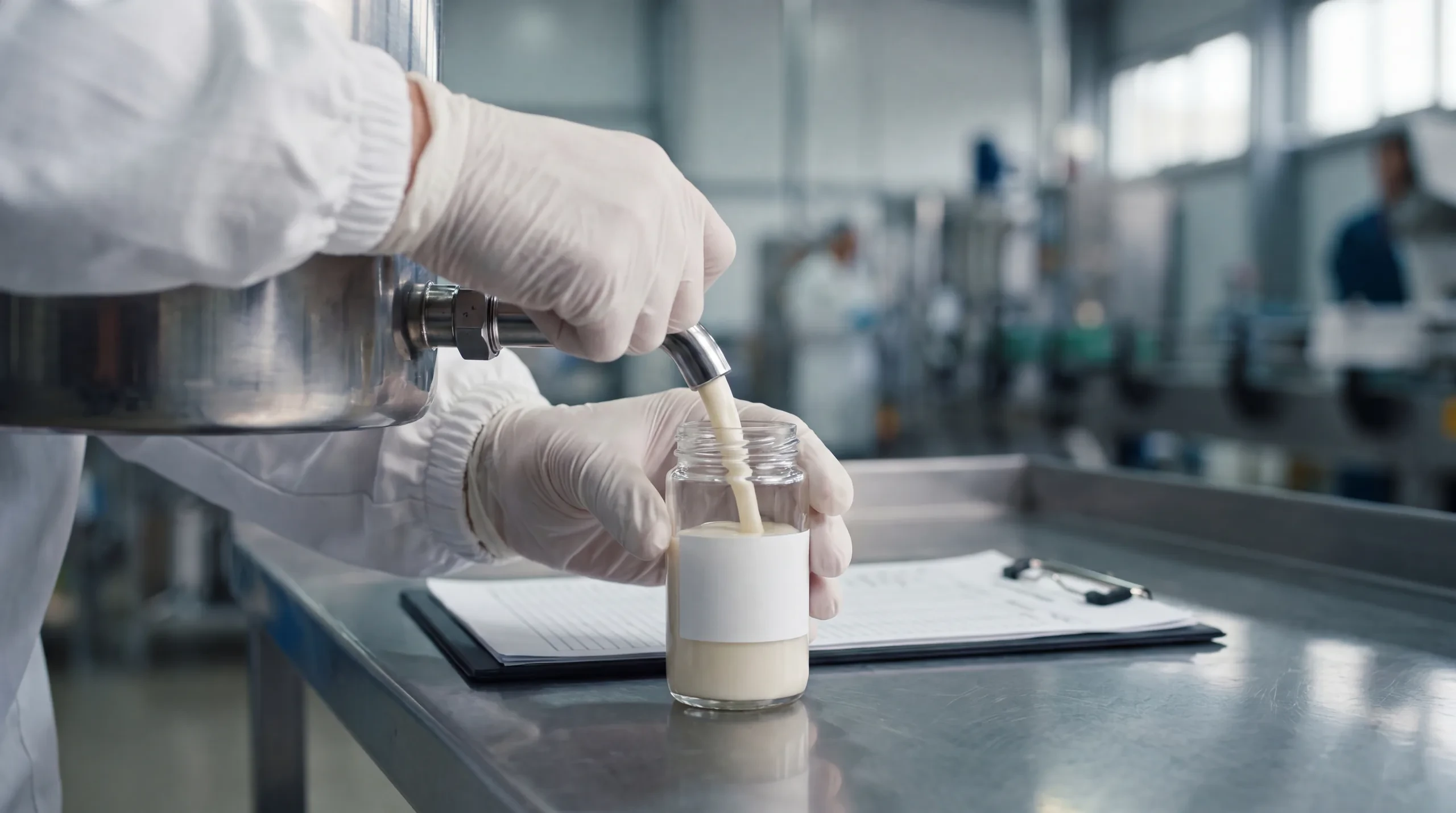
- The international standard for food safety management systems. It combines the HACCP principles with the management-system approach.
- What it is used for
- Controlling hazards along the whole chain — from raw materials to the finished product — and demonstrating that food is safe.
- Who it is for
- Food producers, processors, distributors and retailers, as well as food-service operations and hotels.
- How SCapital helps
- Gap analysis, prerequisite programmes and the hazard control plan, documentation, internal audits and certification preparation.
HACCP
Hazard Analysis and Critical Control Points
- What it is
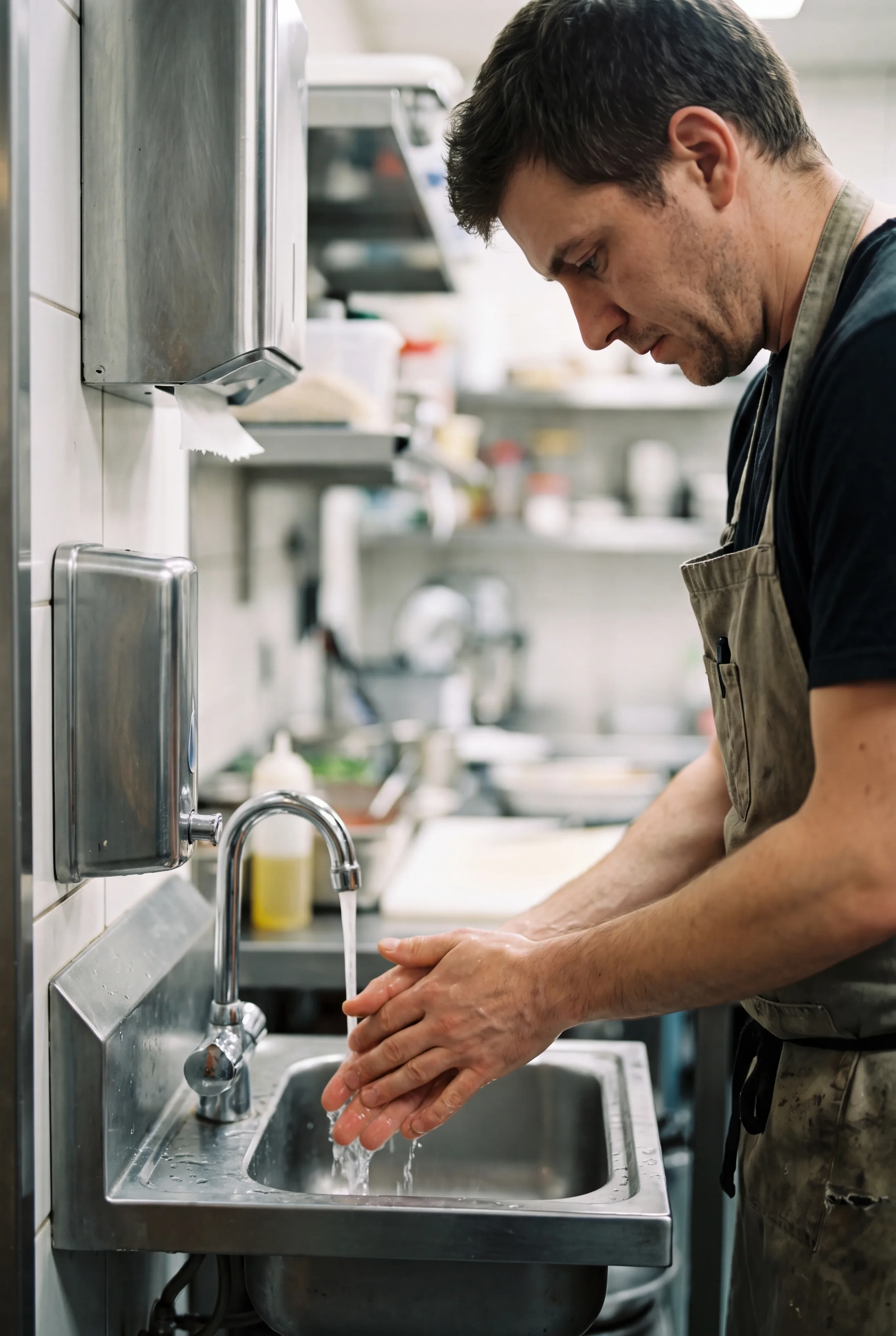
- A systematic approach to food safety built on seven principles — from hazard analysis to monitoring and verifying the critical control points.
- What it is used for
- Preventing biological, chemical and physical hazards in the production and handling of food.
- Who it is for
- Anyone who produces, handles or serves food — from restaurants and hotels to manufacturers.
- How SCapital helps
- Developing the HACCP system and its documentation, training staff and internal auditors, supporting implementation and running internal audits.
How the work runs
- 01
Assessing the current position
How far the way the organisation works today already meets the requirements of the standard.
- 02
Documentation
The documentation of the management system — and, for ISO 22000, the prerequisite programmes and the hazard control plan.
- 03
Implementation
Support until the system is part of everyday work.
- 04
Training
Training for the team and for the internal auditors.
- 05
Internal audits
A check that the system works as described, and an assessment of readiness for certification.
- 06
Certification audit
Preparing for the audit, and support in communicating with the certification body, which carries out the audit and decides on certification.
Questions
What is the difference between ISO 9001 and ISO 22000?
ISO 9001 is the standard for quality management systems and concerns the quality of products and services. ISO 22000 is the standard for food safety management systems. Neither replaces the other, and an organisation in the food chain can apply both.
Does every business need ISO certification?
No. ISO 9001 certification is voluntary, and the standards can be applied without certification. In some sectors, however, a certificate can be a legal or contractual requirement — so the decision depends on the organisation's activities, customers and goals.
How does ISO certification preparation work?
An assessment of the current position, documenting the system, putting it into everyday practice, training the team and the internal auditors, and internal audits. An independent certification body then carries out the certification audit and decides on certification.
What is SCapital's role in ISO certification?
SCapital advises, prepares and supports the organisation — from the first assessment to readiness for the certification audit, including communication with the certification body. No consultant can guarantee the outcome of the audit: the decision rests with the certification body.
Does SCapital issue ISO certificates?
No. SCapital is not a certification body. Certificates are issued by independent certification bodies; ISO itself does not certify or issue certificates either.
How does ISO 22000 relate to HACCP?
ISO 22000 incorporates the HACCP principles and the Codex Alimentarius steps for applying them, and builds them into a management system — together with prerequisite programmes and communication along the food chain. The two are not interchangeable: Regulation (EC) No 852/2004 requires HACCP-based procedures from food business operators, whereas ISO 22000 is a complete management system that an organisation chooses to adopt.
Contact